
Technology, safety, and operational principles of cloud seeding.
Scientific answers to frequently asked questions about cloud seeding programs.
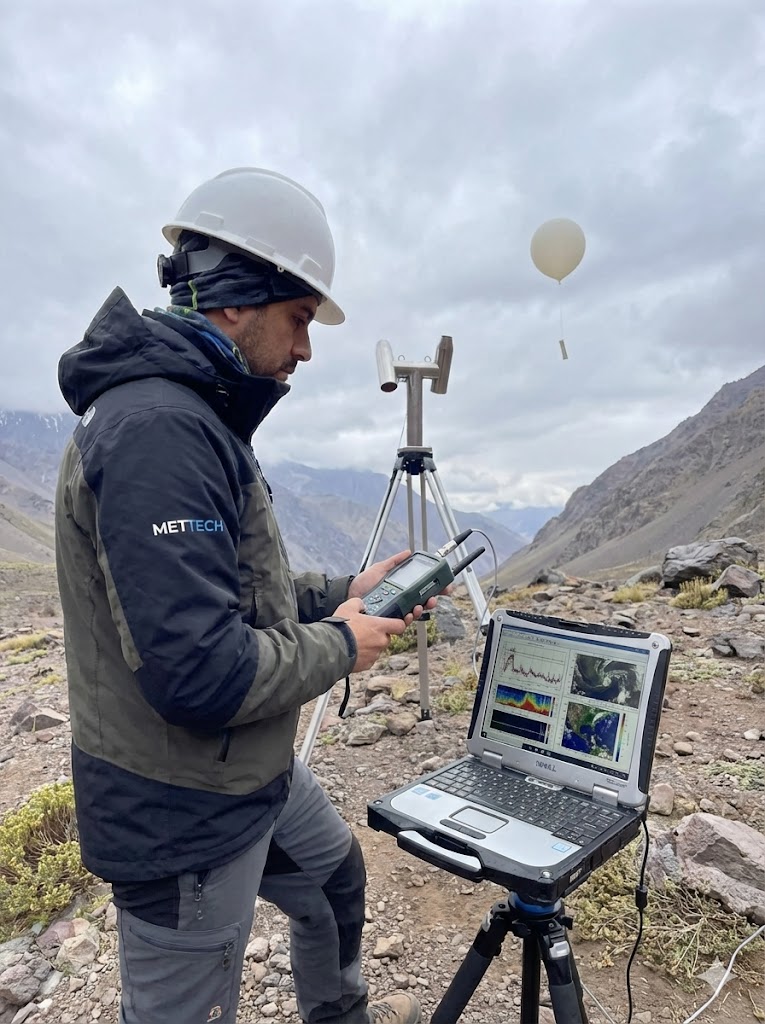
Our commitment is technical transparency. Explore the scientific and operational foundations of our technology.
What is cloud seeding and how does the process work?
Data on scientific validation and measurable results.
Impact on the ecosystem, soil, and drinking water quality.
How we target missions and who benefits.
Find detailed technical information on the efficacy, environmental safety, and operational processes of our weather modification programs.
Cloud seeding is a weather modification technique that introduces specialized particles into suitable clouds to increase the amount of precipitation that would normally fall.
Under certain atmospheric conditions, clouds may contain supercooled liquid water that does not naturally convert into precipitation efficiently.
Cloud Seeding introduces particles that act as ice nuclei, allowing ice crystals to form, grow, and fall as snow or rain.
Yes. It is applied in over 300 global programs. Independent evaluations show average precipitation increases of 10 to 15% with high statistical reliability. It is a key complementary tool in modern water management.
Absolutely. Minimal amounts of silver iodide are used, a material with properties similar to natural ice. Environmental monitoring confirms that concentrations in soil and water remain well below international safety and drinking water standards.
Yes. Missions are only initiated when strict meteorological criteria, analyzed by experts, are met. Furthermore, science demonstrates that the effect is exclusively limited to the target area, without affecting the weather in neighboring regions.
It is a highly cost-effective solution to:
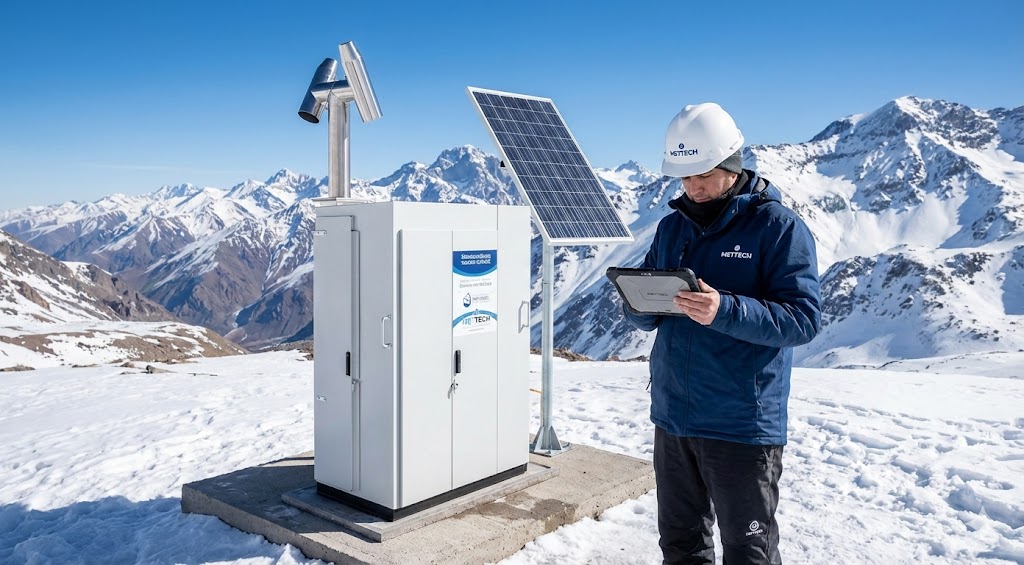
Contact Mettech to explore how Cloud Seeding and Technology Transfer programs can contribute to your water security and climate resilience goals.